loading......

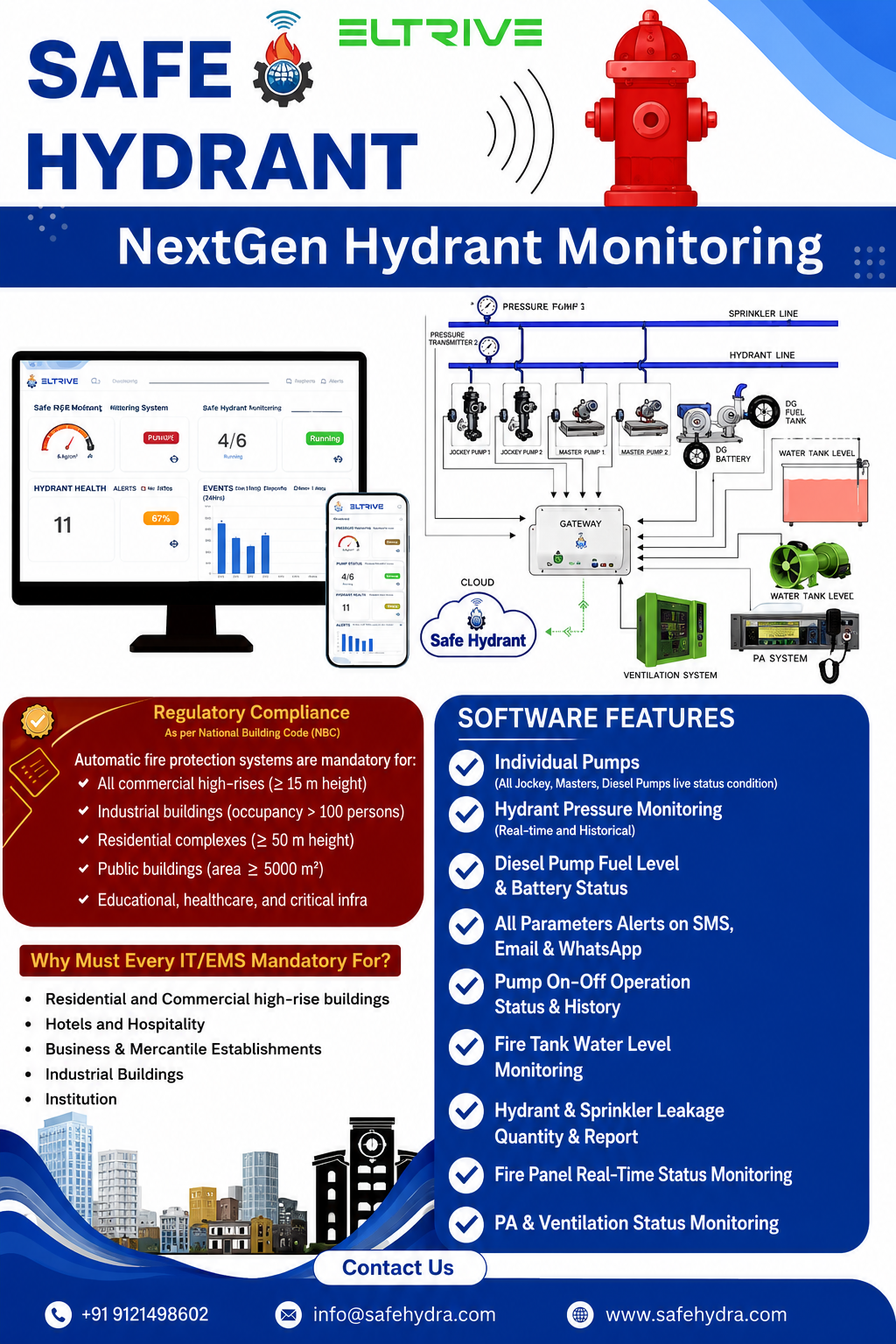
Safe Hydrant continuously watches over your fire pump room, tanks and hydrant network, giving you early warning before a safety audit, incident or equipment failure can hurt your business.
Below is a themed example of how we present your tanks, pumps, valves and hydrant header. This is a visual mock-up only — live data and alerts are shown securely after deployment.
Manual checks, scattered logs and last-minute firefighting before audits or inspections.
Our monitoring highlights abnormal behaviour early, giving your team time to act calmly.
Fewer breakdowns, fewer emergency call-outs and a hydrant system that's actually ready if needed.
Stylised twin of your fire water tanks and hydrant header, used to explain our monitoring approach.
Animated blue fill shows how tank levels are visualised — this is a sample only for the website demo.
In the live system, exact values and alarms are shown only inside your secured dashboard.
Jockey, main and diesel pumps with ring main valves — helping your team instantly understand the system architecture.
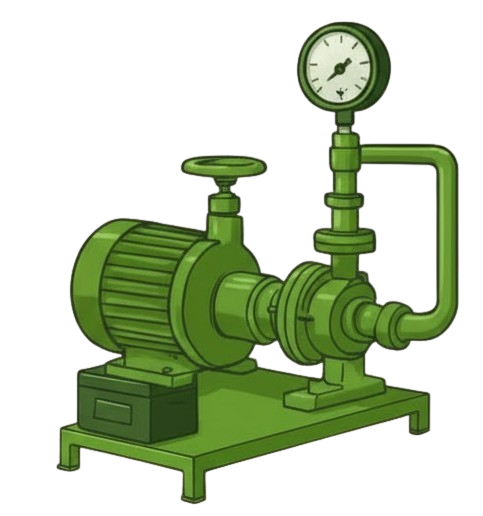
Maintains normal pressure and handles small leaks in a typical installation.
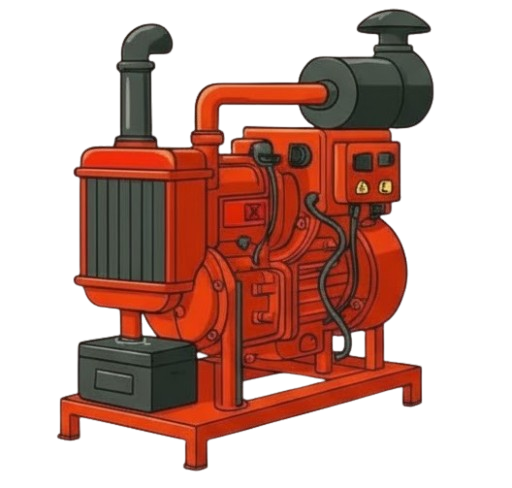
Emergency backup in case of mains power issues.
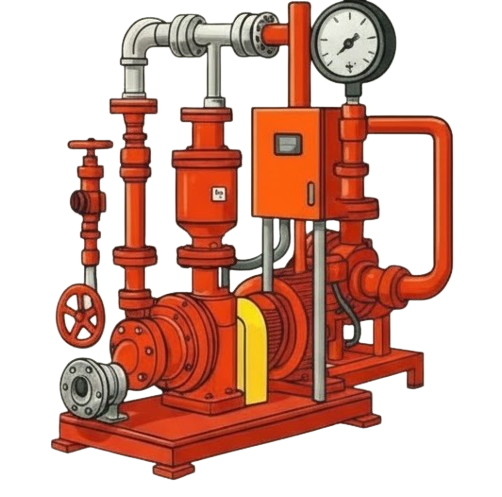
Illustrates how duty pumps appear in our visual layout.
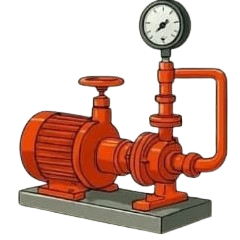
Redundant backup for reliability in critical plants.
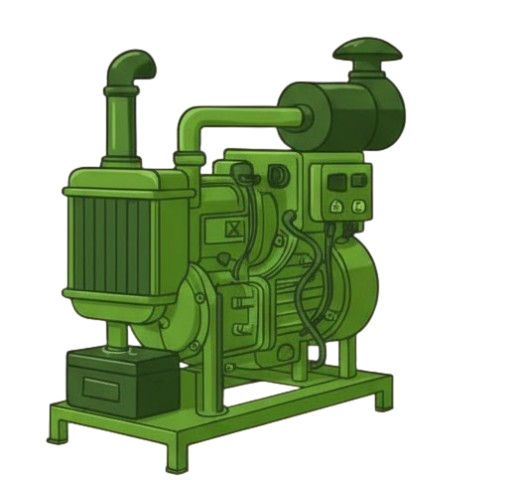
Optional additional diesel pump for high-risk facilities.
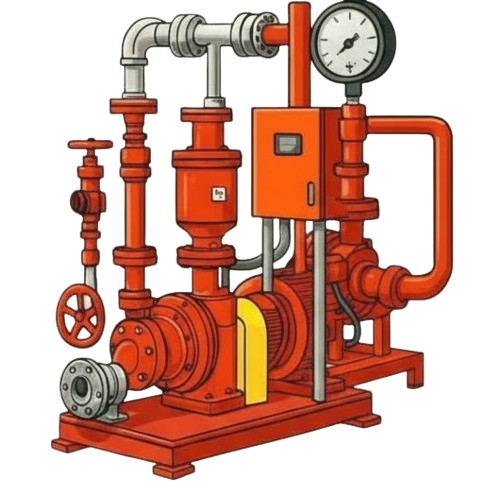
Used to balance runtime and extend pump life.

We don't just supply a screen. We help you reduce risk, reduce cost and remove uncertainty around your hydrant system readiness.
Spot issues early instead of waiting for full failures. Planned maintenance is always cheaper than emergency repairs.
Be audit-ready at any time with clear evidence that your hydrant network and pumps are being continuously monitored.
Replace scattered logbooks and manual checks with one consolidated view that everyone can trust.
Supervisors and safety teams see the same status in real time, so decisions are quick and aligned.
Built around real plant conditions and hydrant layouts – not a generic “one size fits all” template.